Bridging Research and Real-World Applications: MODERATOR Partners Visit ITA Group Facilities in Northern Greece

ITA Group blog post
Bridging Research and Real-World Applications: MODERATOR Partners Visit ITA Group Facilities in Northern Greece
On 4–5 February 2026, the MODERATOR consortium gathered in Serres, Greece, for its 24-Month Plenary Meeting – an important milestone that brought together partners from across Europe to review progress and define the next phase of the project. While the first day focused on technical discussions and coordination across work packages, the second day offered something equally valuable: direct exposure to real-world applications of energy systems that align closely with MODERATOR’s vision.
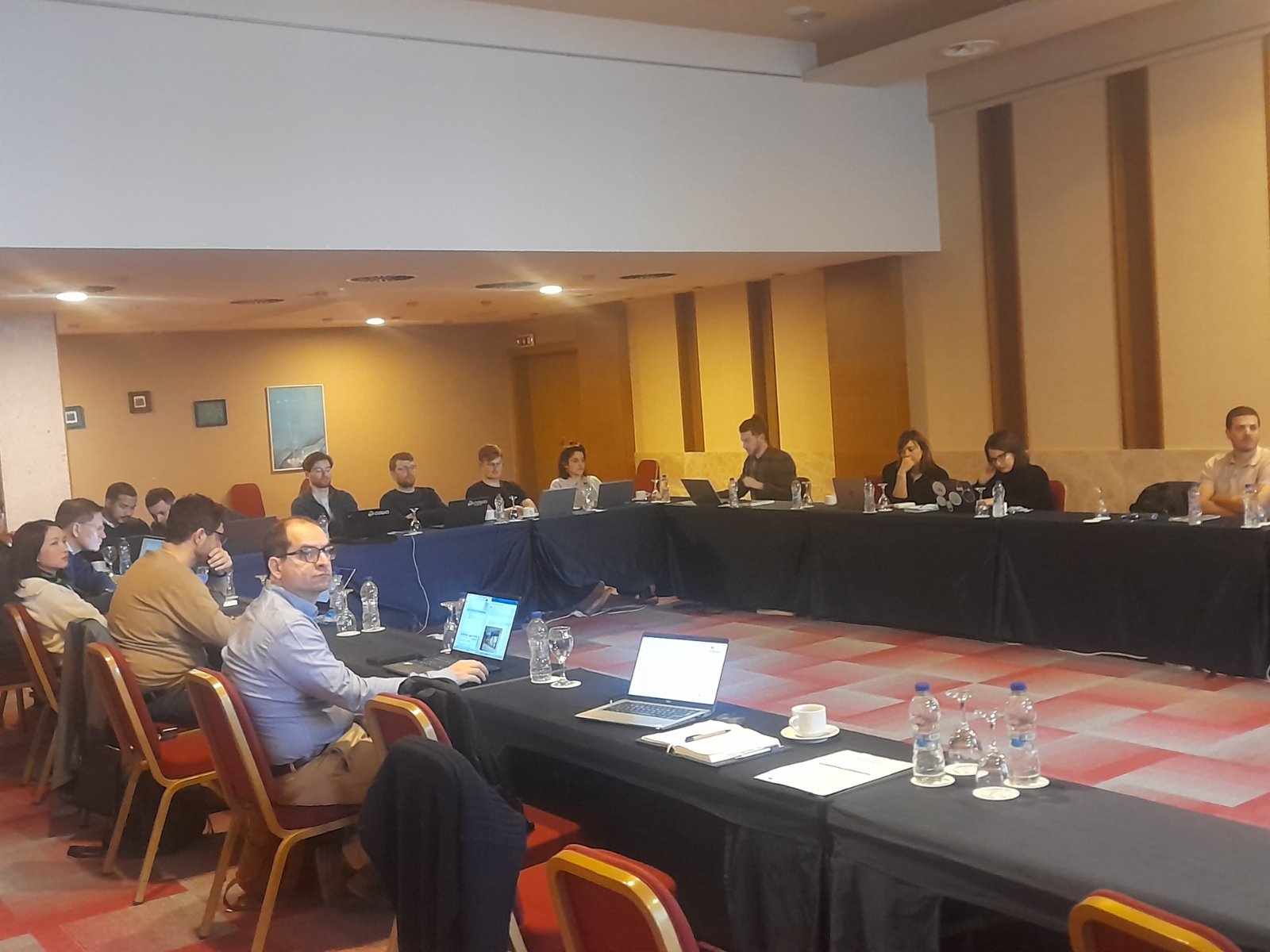
Organized under the auspices of ITA Group, the second day featured a series of site visits to key industrial and agro-energy facilities in Northern Greece, including hydroponic greenhouses in Drama, the THERMI Serres cogeneration and district heating plant, and the Midiki Serron alfalfa dehydration unit. These visits provided a tangible link between research and implementation, highlighting how recovered heat – such as that generated by data centers – can be effectively reused across multiple sectors.
From Data Centers to Greenhouses: A Natural Synergy
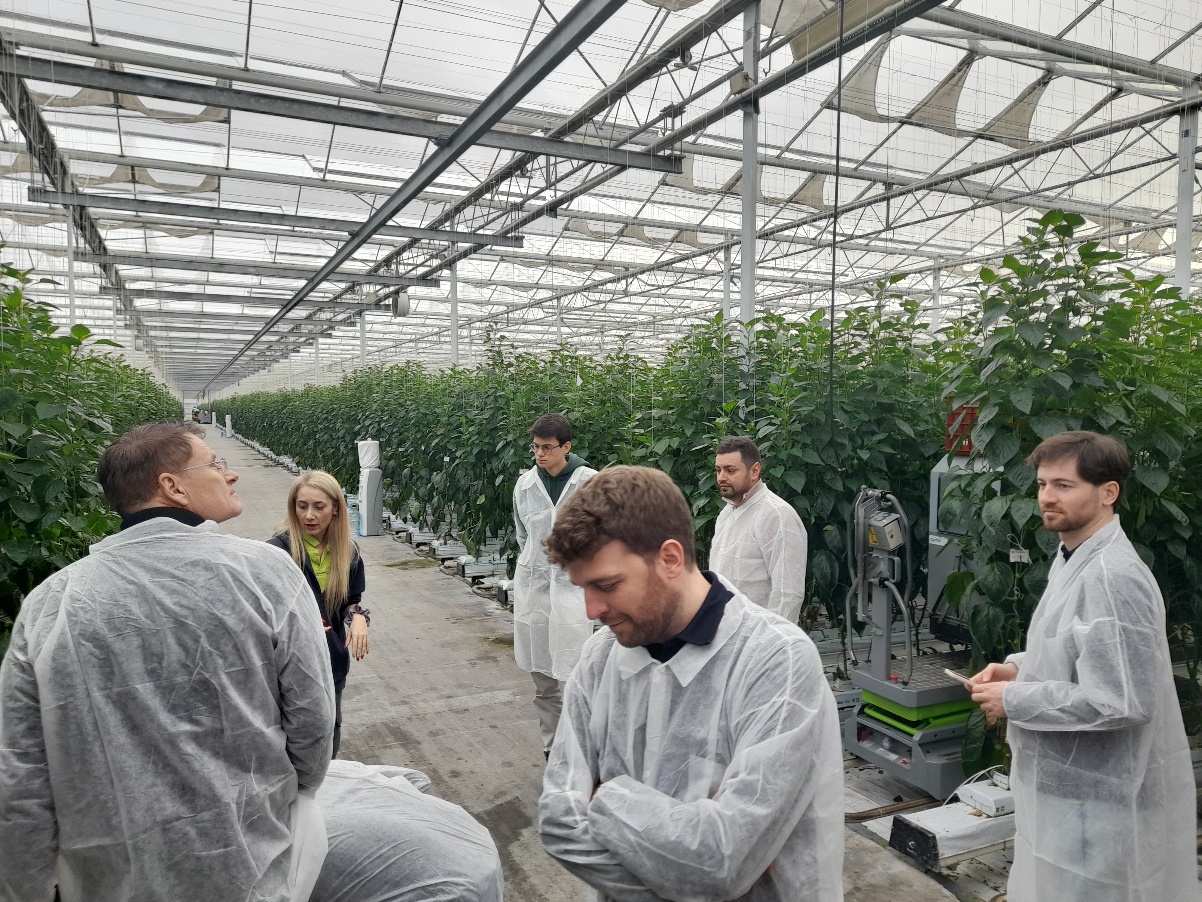
The visit to the hydroponic greenhouses in Drama illustrated a highly advanced agricultural model where energy efficiency and productivity go hand in hand. The facility, one of the most technologically sophisticated greenhouse operations in Greece, features a combined heat and power (CHP) system that supplies thermal energy to the greenhouse and electrical energy to the grid.
Inside the greenhouse, partners observed how precise environmental control – enabled by a fully automated SCADA system – supports year-round cultivation of high-quality produce. The hydroponic method allows for optimal nutrient management and water efficiency, while CO₂ captured from the CHP exhaust gases is reused to enhance plant growth. This closed-loop approach reflects the same principles that underpin MODERATOR: maximizing resource efficiency and turning by-products into valuable inputs.
For the consortium, the relevance was clear. The enhanced heat recovery from data centers – enabled by immersion cooling technologies – creates a usable thermal stream that can be channeled into greenhouse environments, offering a steady and eco-friendly heat supply for regulated agricultural production.
District Heating: Scaling Heat Reuse at the Urban Level
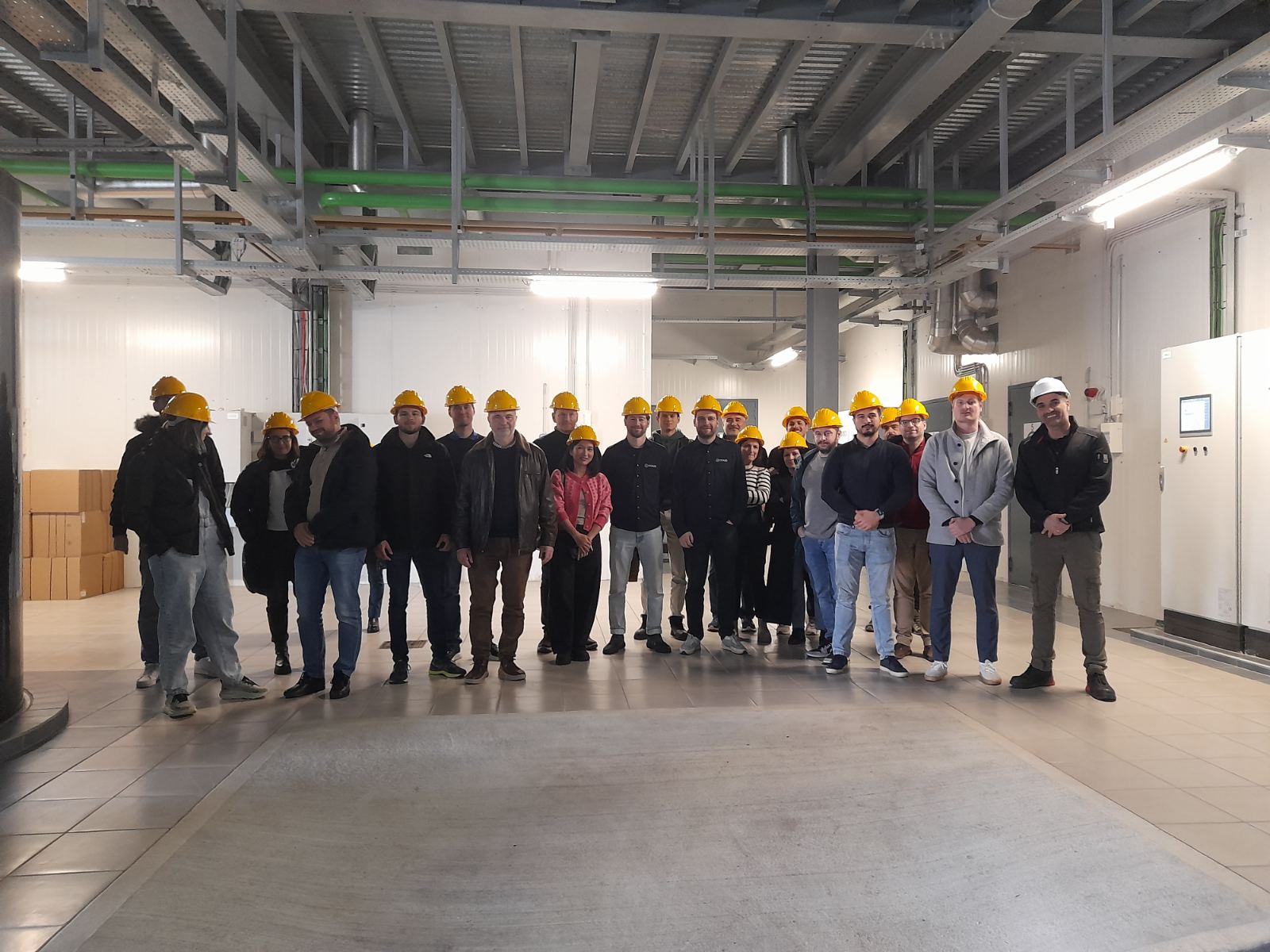
The visit continued in Serres, where partners explored the THERMI Serres CHP plant and its extensive district heating network – one of the first systems of its kind in Greece. With a total efficiency exceeding 88%, the plant simultaneously generates electricity and thermal energy, the latter being distributed through a network of insulated pipelines to more than 1,300 buildings across the city.
This system exemplifies how centralized heat generation and distribution can significantly reduce energy losses and greenhouse gas emissions, while improving urban air quality by replacing individual heating systems. The infrastructure also offers a compelling blueprint for integrating new heat sources into the network.
In the context of MODERATOR, such district heating systems represent a key pathway for scaling up waste heat reuse. By connecting data centers to existing thermal networks, recovered heat can be stored, upgraded and redistributed efficiently to residential and commercial users, transforming digital infrastructure into a contributor to local energy systems.
Industrial Applications: Closing the Loop in Agri-Food Processing
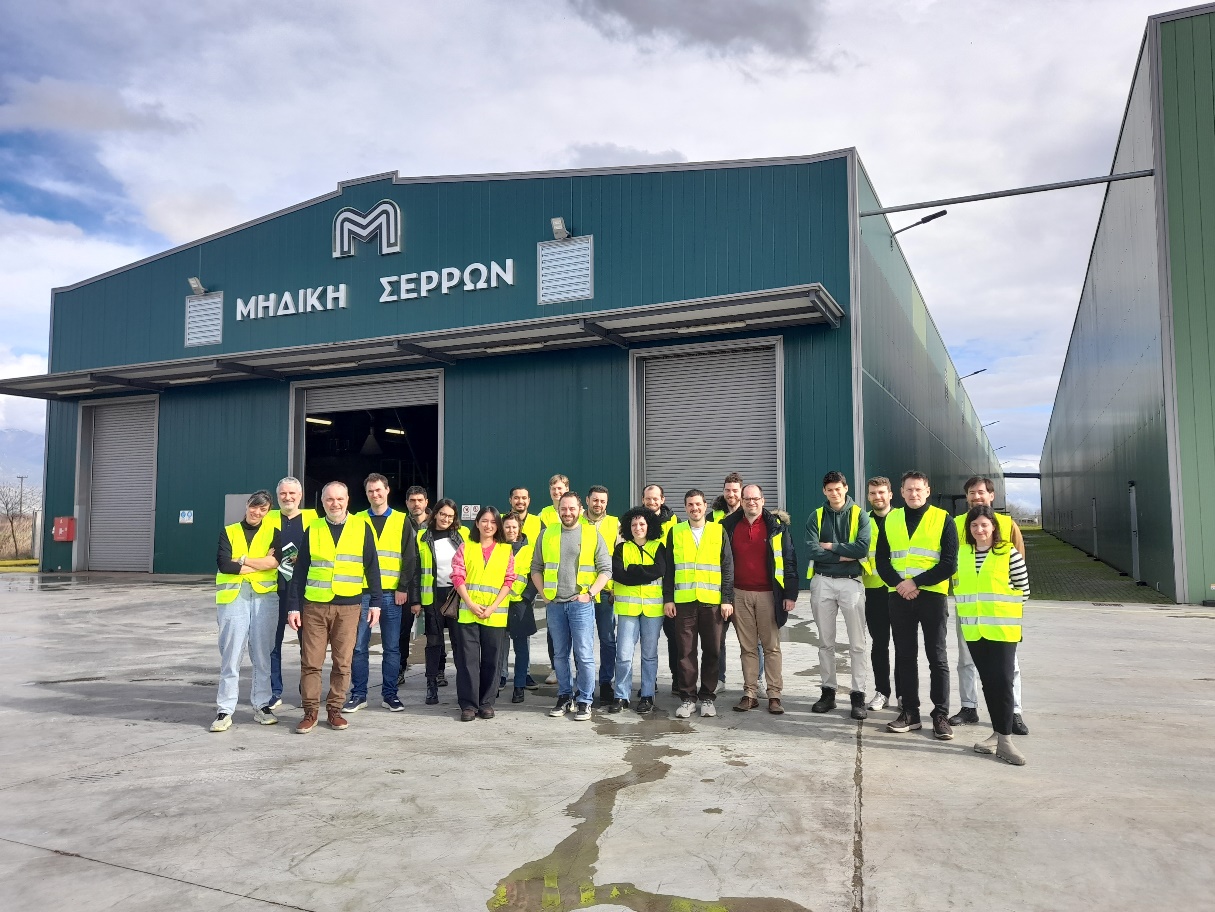
The final stop was the Midiki Serron facility, the largest alfalfa dehydration plant in Greece, where thermal energy plays a critical role in the production process. Here, hot water supplied by the nearby CHP plant is used to dry freshly harvested alfalfa, preserving its nutritional value and ensuring high-quality animal feed.
This integrated model – linking agriculture, industry, and energy – demonstrates how heat can be reused in a continuous, circular manner. The dehydration process relies on controlled temperatures below 100°C, making it particularly compatible with the type of low- to medium-grade heat that data centers can provide.
For MODERATOR partners, the visit underscored the versatility of waste heat applications beyond traditional uses. Industrial processes such as drying, which are common across the agri-food sector, represent a significant opportunity for expanding the impact of heat recovery technologies.
A Shared Vision for Circular Energy Systems
These site visits reinforced a central message of the MODERATOR project: that the future of data centers lies not only in reducing their energy consumption but also in redefining their role within broader energy ecosystems. Through innovations such as immersion cooling, thermal energy storage using phase-change materials, and advanced insulation systems, MODERATOR is developing a fully integrated approach to capturing and reusing waste heat.
As highlighted in previous project work, this approach is particularly relevant in countries like Greece, where growing data center investments coincide with strong demand for thermal energy in agriculture, tourism, and industry. The ability to store and redistribute heat – even when supply and demand are not perfectly aligned – opens new possibilities for sector coupling and energy efficiency.
Moreover, the importance of such solutions is increasingly reflected in the European regulatory landscape. Emerging policies are placing greater emphasis on energy efficiency, renewable integration, and the obligation to recover and reuse waste heat from large-scale digital infrastructure. In this context, MODERATOR is not only advancing technological innovation but also helping to prepare the ground for future compliance and market adoption.
From Northern Greece to Europe
The successful completion of the plenary meeting and the accompanying site visits left a strong impression on all participants. Beyond the technical discussions, the experience highlighted the value of connecting research with real-world applications and demonstrated how regional initiatives can contribute to European energy and climate goals.
By highlighting practical examples of heat reuse in agriculture, district heating, and industry, the ITA Group facilities in northern Greece offered a powerful illustration of what a circular energy system can look like in practice. As MODERATOR moves forward, these insights will continue to inform the development of solutions that transform data centers from energy-intensive assets into active contributors to sustainable, local energy systems.